The Prompt Isn't the Problem
Ask an AI tool to optimize a media budget across five channels, and it will give you an answer. Confidently. Instantly. And sometimes, completely wrong.
Not because the model is broken — but because it doesn't know that the client's contract has a regional exclusivity clause, that last month's numbers were skewed by a tracking bug, or that the "best-performing" channel in the data is actually running a brand-safety-flagged placement that needs to come down regardless of ROI.
AI is very good at finding patterns in the data it's given. It has no way of knowing what the data is missing.
Where the Real Risk Sits
The industry conversation about AI in media operations tends to split into two camps: excitement about what's now possible, and anxiety about what might go wrong. Both miss the more useful question — not "should we use AI" but "who checks its work, and against what?"
That question matters more, not less, as AI gets integrated deeper into planning, buying, and reporting workflows. The tools compress a week of analysis into a few seconds. But compressed time doesn't mean compressed responsibility. Someone still needs to know if a recommendation is actually sound, or just statistically confident.
What Real Media Ops Experience Actually Buys You
This is the part that's easy to underestimate. Recognizing a plausible-but-wrong AI output isn't a data science skill — it's a domain skill. It takes knowing how media campaigns actually behave: which numbers look "too clean," which client relationships have unwritten rules no dataset captures, which channel quirks skew a model's confidence without anyone noticing.
That kind of judgment doesn't come from the tool. It comes from having sat close enough to enough campaigns to know when something's off before the dashboard confirms it. The most effective use of AI in media operations doesn't remove that person from the loop — it hands them a faster first draft to sharpen, not a final answer to accept.
Built to Be Checked, Not Just Trusted
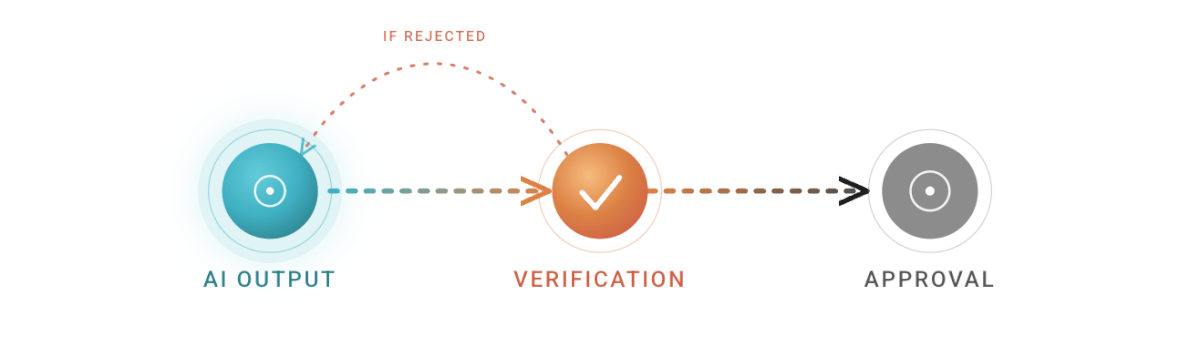
This also points to a question worth asking of any AI tool used in media operations: can you actually verify what it gives you, or are you expected to just trust it? Open systems that let teams connect their own data and cross-check outputs against what they already know are a very different proposition from a closed black box handing down decisions.
Verification isn't the opposite of adopting AI in media operations. It's the condition that makes adopting it safely possible.
The Takeaway
The teams getting real value from AI in their media operations aren't the ones trusting it blindly, and they aren't the ones avoiding it out of caution either. They're the ones who've built a habit of checking — fast enough not to lose the speed advantage, rigorous enough not to lose the judgment that got them the account in the first place.
That habit doesn't come from a tool. It comes from experience.